

Your Guide to Senior Living
Making the move to a senior living community in the Roaring Fork Valley is a beautiful transition, but we know you likely have questions about the details. We are here to help you navigate the process with compassion and expertise.
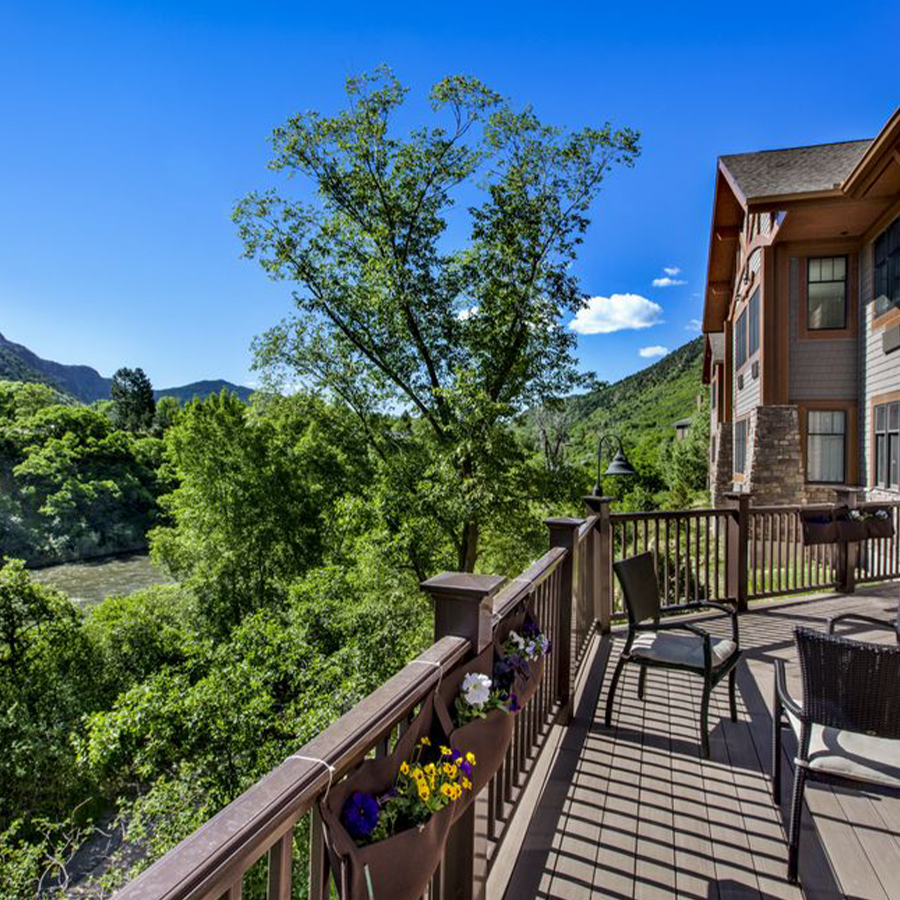
Browse our frequently asked questions to learn more about our lodge-style amenities, compassionate care programs, and what life looks like along the Roaring Fork River.
Understanding Care Options
Assisted living is ideal for seniors who want to remain independent but need a helping hand with “activities of daily living” (ADLs). If you or your loved one is struggling with tasks like dressing, bathing, managing complex medication schedules, or preparing nutritious meals, assisted living provides that necessary support layer while prioritizing dignity and freedom.
This is a very common question. A nursing home (or skilled nursing community) is a clinical medical setting for those with complex needs requiring round-the-clock monitoring by nurses. Assisted living is a residential setting. It feels like an apartment home, not a hospital, and is designed for people who need personal assistance but do not require continuous, high-level medical care.
While assisted living focuses primarily on physical assistance, memory care is specifically designed for individuals living with Alzheimer’s, dementia, or other forms of memory loss. These neighborhoods are secure to prevent wandering and feature specialized programming, sensory-friendly environments, and associates who are specifically trained in dementia care and behavioral support.
Respite care is a short-term stay in our community, ranging from 30 days to several weeks. It’s an excellent way for seniors to recover after a hospital stay before going home, or to give primary family caregivers a much-needed break for a vacation or rest. It is also a fantastic way to “test drive” the community experience before committing to a permanent move!
Community Life & Amenities
Absolutely! This is your home, and we want it to reflect your personal style. We encourage residents to bring their artwork and keepsakes to make their apartment feel warm, cozy, and completely familiar. (Note: Short-term respite suites are typically furnished for your convenience).
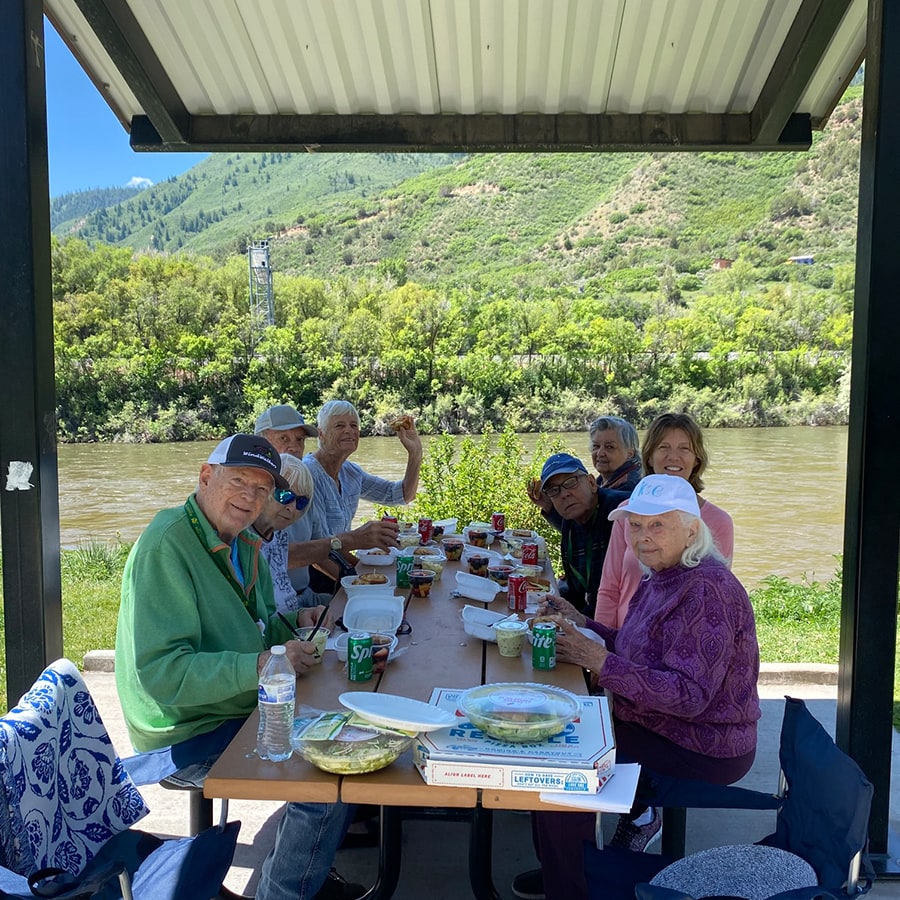
Yes. One of the great benefits of community living is scheduled transportation. We provide transportation to take residents to local medical appointments, shopping centers, and scheduled group outings, so you don’t have to worry about the hassle of driving or parking.
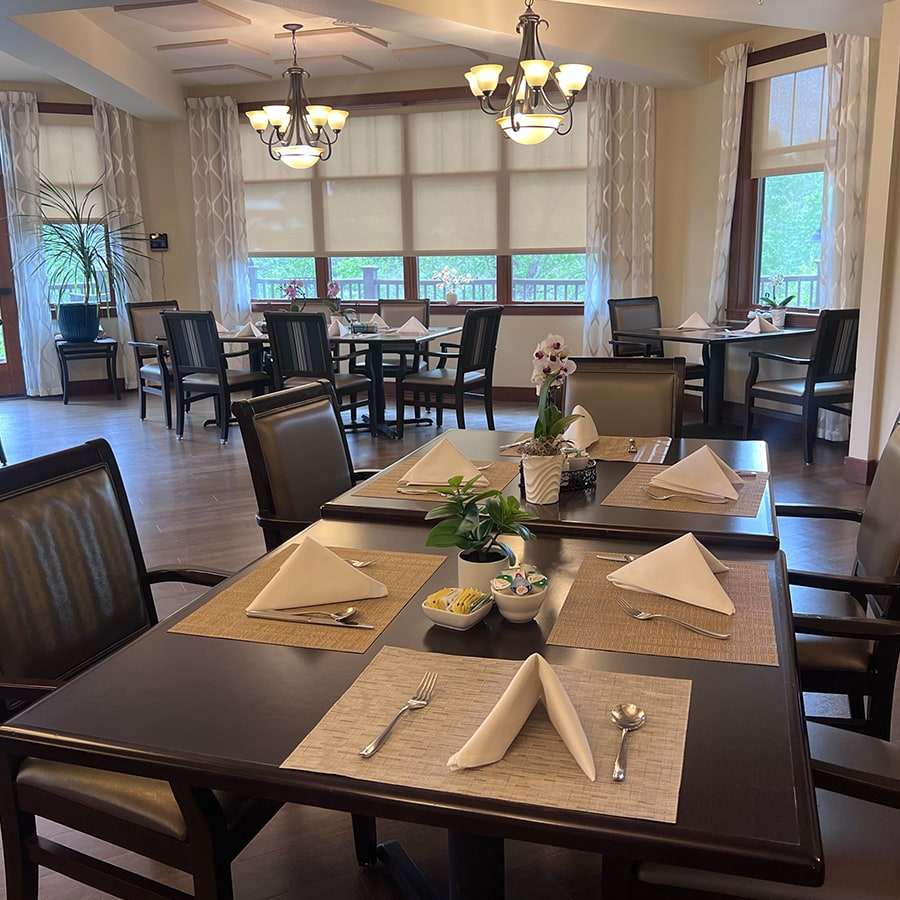
We believe dining should be an experience, not just a necessity. We offer restaurant-style dining with menus that change seasonally and emphasize fresh, high-quality ingredients. Our expert culinary teams are also adept at handling specific dietary requirements to ensure every meal is both delicious and nutritious.
Financials & Costs
Generally, Medicare is a health insurance program, not a housing program. While Medicare does typically cover short-term rehabilitation after a qualifying hospital stay, it does not typically cover the cost of rent and care in independent living, assisted living, or memory care. These are usually paid for through private funds, long-term care insurance, or the sale of a home.
Most families use a combination of funding sources. These include personal savings, retirement income (pensions, 401ks), profits from selling a home, and long-term care insurance policies. For eligible veterans and their spouses, the VA Aid & Attendance benefit can also provide significant financial assistance.
Navigating the Decision
There is rarely a “perfect” time, but waiting for a crisis often limits your options. Key indicators that it might be time include safety concerns (such as recent falls), noticeable weight loss due to poor nutrition, social isolation, and caregiver burnout. If maintaining the current living situation is becoming physically or emotionally unsustainable, it is likely time to explore community living.
Start early and keep it conversational, not confrontational. Avoid “you must” statements. Instead, focus on your own feelings, using “I” statements like “I’m worried about your safety on those stairs” or “I want you to have more support.” Ask open-ended questions about their plans for the future and frame the search as exploring options together.
Resistance is normal; change is hard. Try to understand the root of the fear—is it loss of independence, financial worry, or fear of the unknown? Validate their feelings. Sometimes, taking a casual tour just to “see what’s out there” without any pressure to sign a contract can help demystify the experience and reduce anxiety.
Visit! There is no substitute for walking the halls. Pay attention to the atmosphere: Do the residents look happy and engaged? Is the staff friendly and attentive? Is the community clean and welcoming? Trust your gut—you are looking for a place that truly feels like home.
Taste the Difference
We offer more than just a meal; it’s a chance to see why our residents consistently praise the variety, freshness, and quality of our daily menus.
Come taste the difference and understand why dining is one of the most anticipated parts of the day for everyone in our community.

Schedule Your Tour
in Glenwood Springs
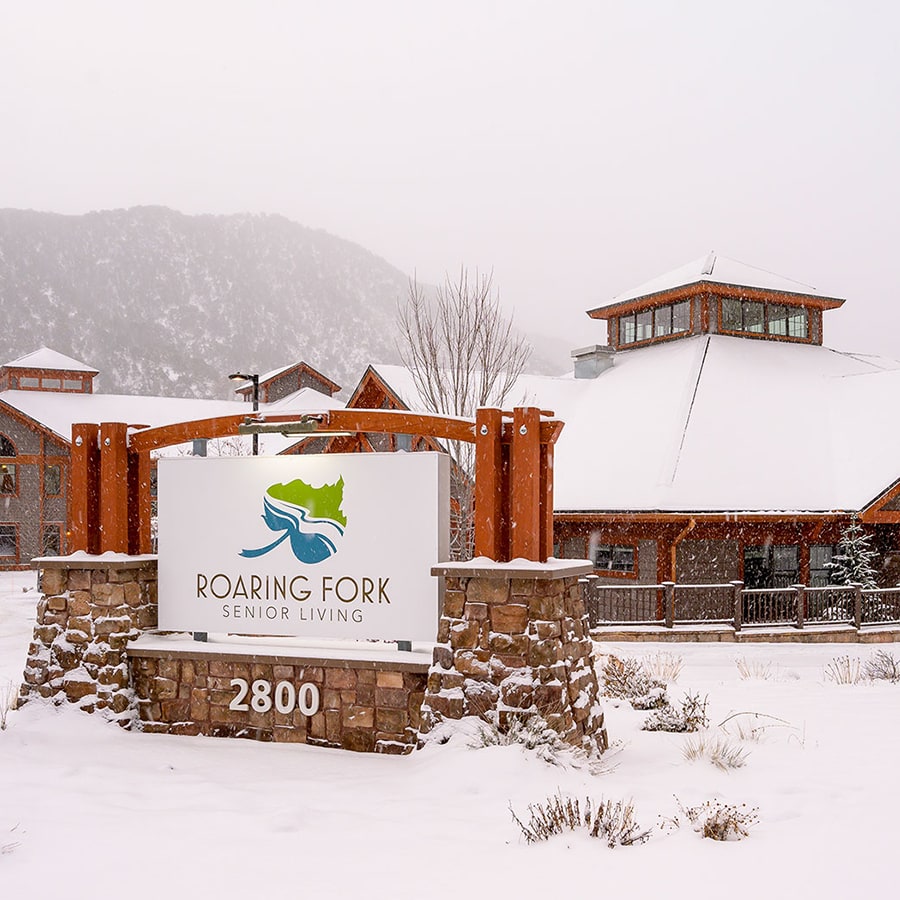
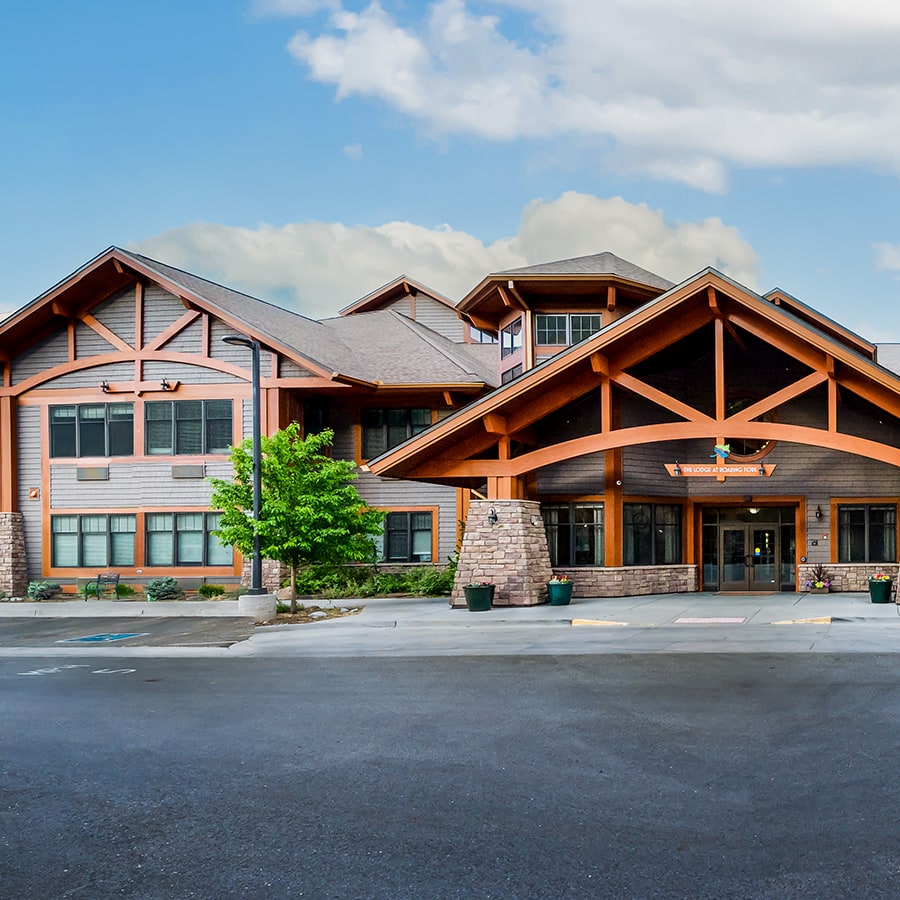
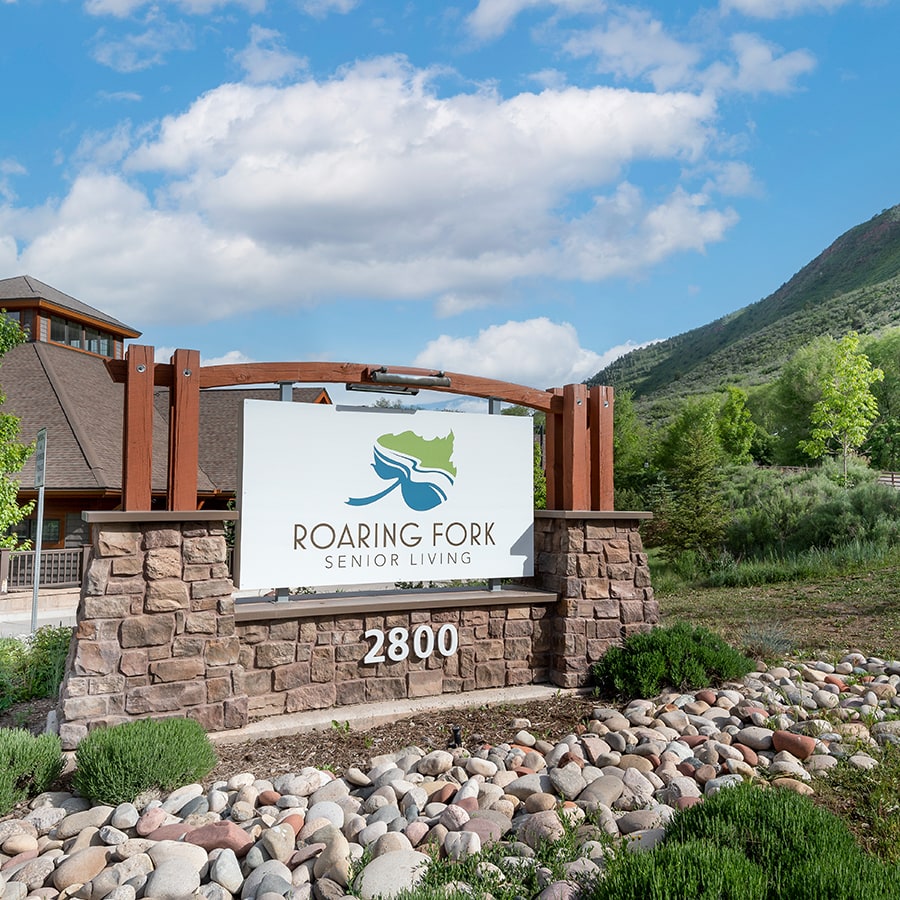
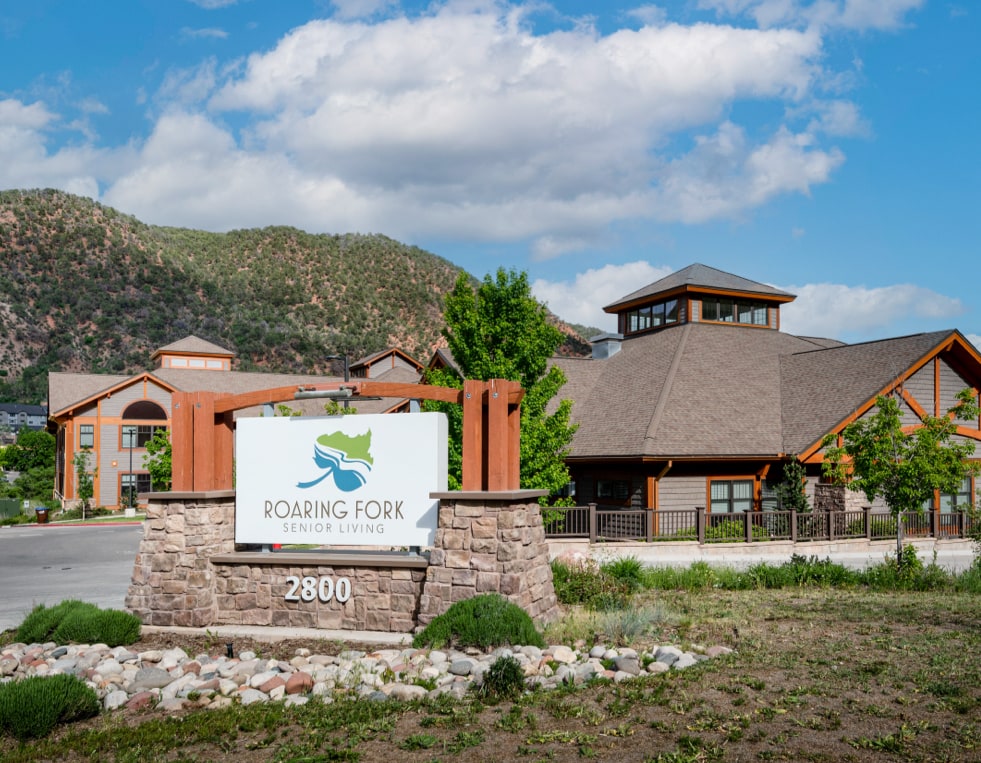
Roaring Fork Senior Living is located at 2800 Midland Avenue, Glenwood Springs, CO 81601, offering convenient access to local amenities and prompt medical care at nearby Valley View Hospital.
We specialize in providing comprehensive care and building value for families relocating from areas like Aspen and Vail. Contact us today to speak with an associate who understands your family’s unique journey.
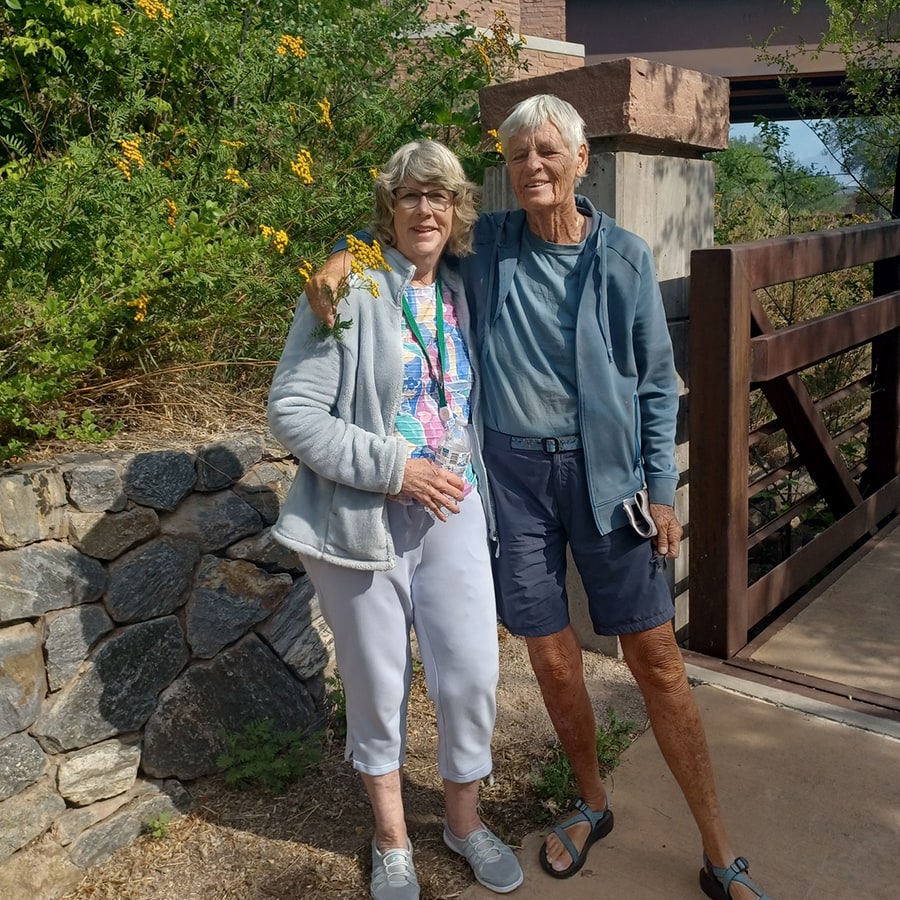
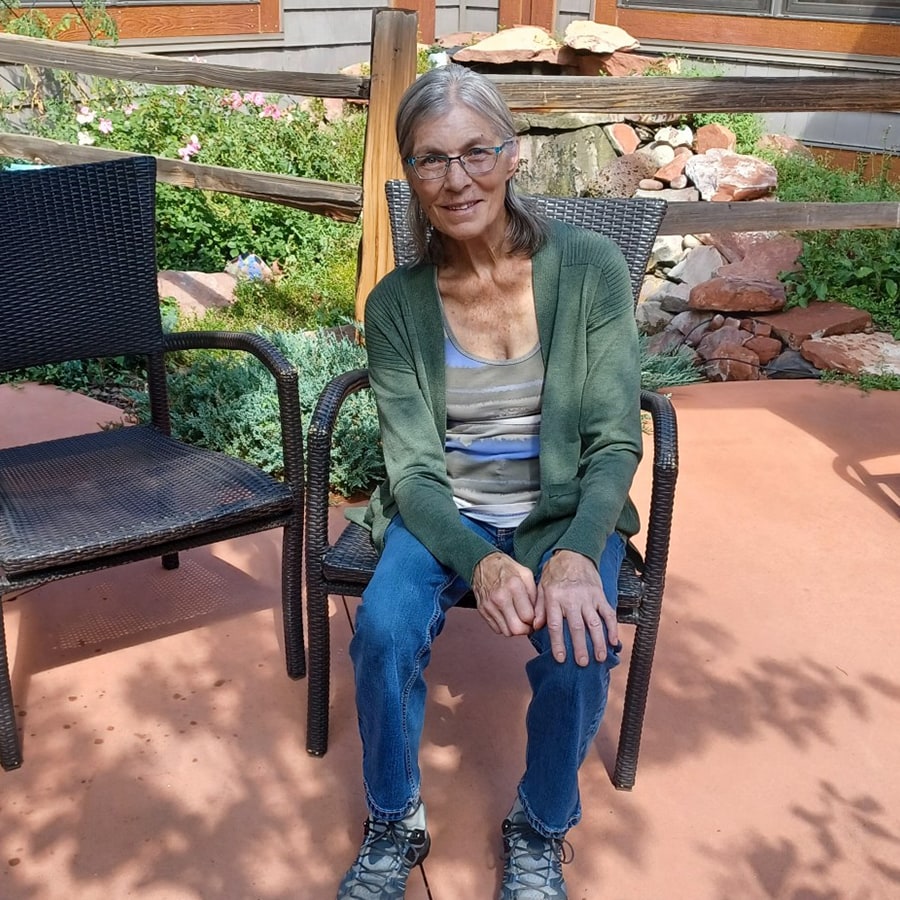
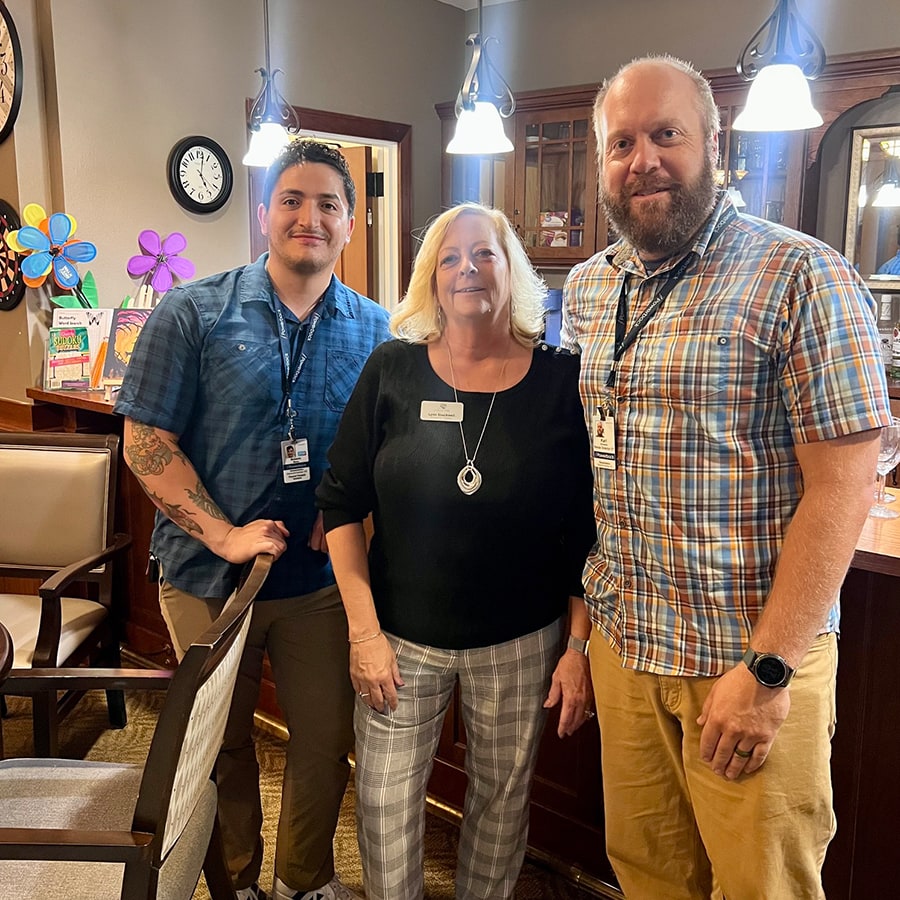
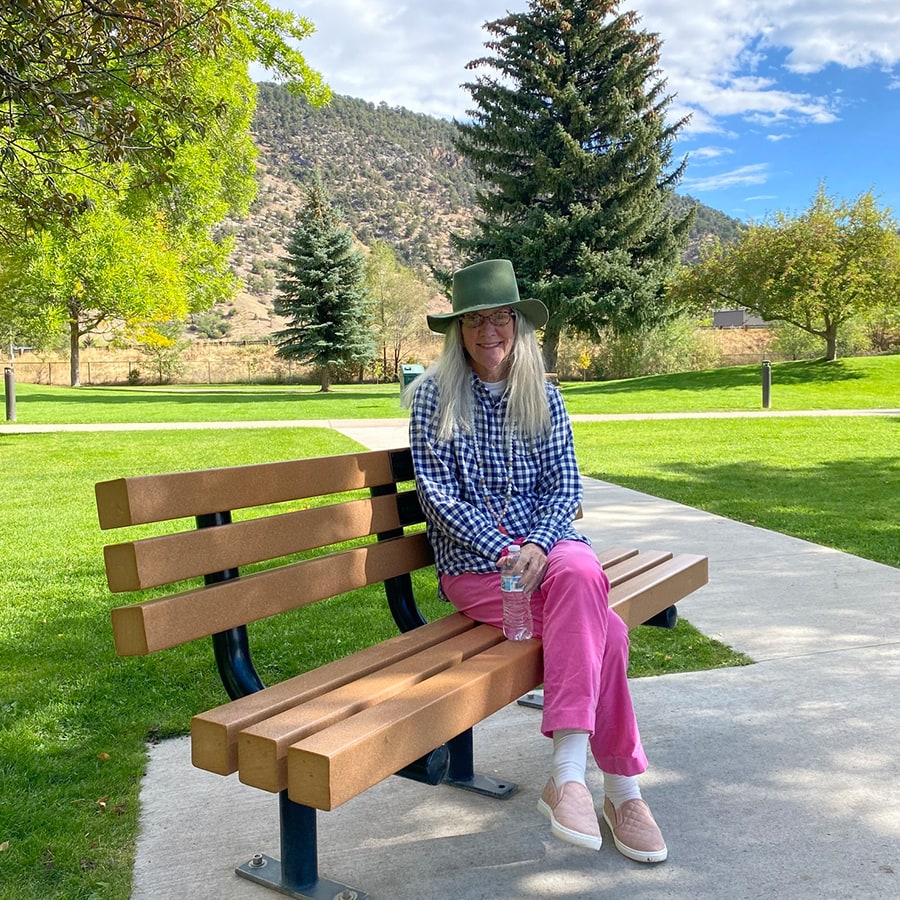
The Roaring Fork Gallery








Reach out to Us


About Us
Levels of Care
Community Life
Contact Us